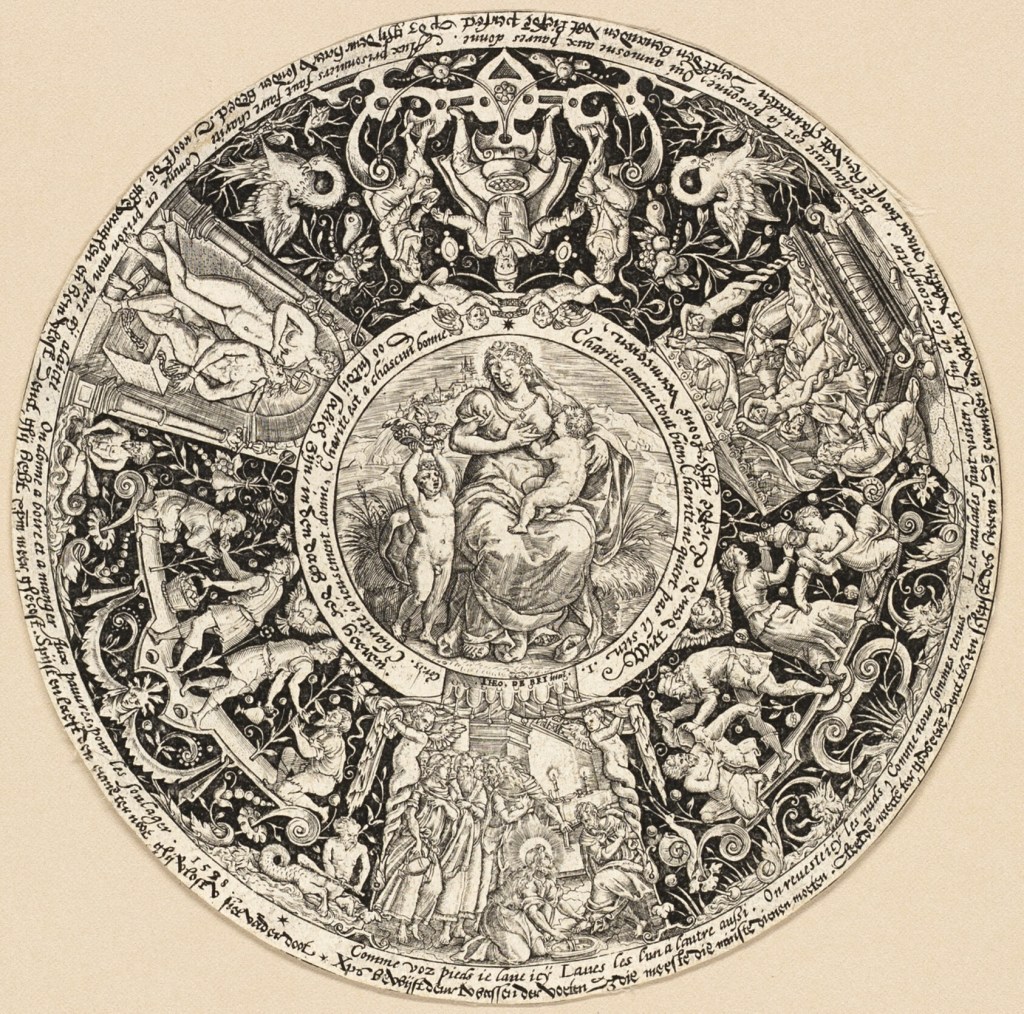
Welfare has become a shibboleth across our political spectrum. On the Left, it is seen as the most fundamental right citizens can claim from the state that hosts them. On the Right, it is seen as a threat to innovation, progress and prosperity, strengthening the centre at the expense of the individual. Values are firmly held and usually experienced as immutable. However, neither Left nor Right have shown themselves able to manage the practical challenges that care presents, and no-one considers that we should stop helping each other when we are in need. As I’m not a politician, I have the luxury of being able to step outside the straitjacket those opposing systems of values impose on welfare implementation, and ask two questions.
- What are the value systems welfare needs to recruit to be effective?
- What would an effective system of welfare look like?
This might look like the wrong way round, but we shall see below that we cannot begin to define what “effective” looks like until we have some way to evaluate it.
Is all welfare the same?
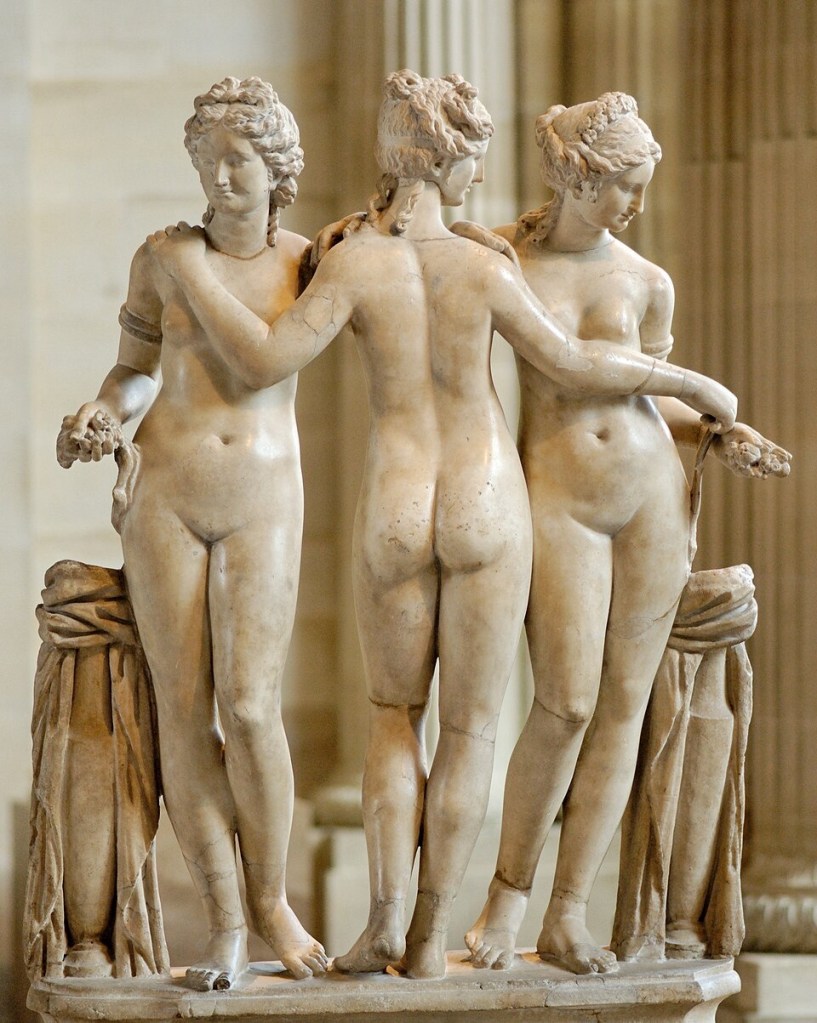
We have a bewildering number of ways in which we can help each other and it’s easy to confuse welfare with cooperation, which is the bedrock of all societies, be they animal or human. What makes welfare different is its apparent asymmetry — someone voluntarily chooses to surrender something someone else needs. We immediately run into two competing explanations for this. To maximise generality I’ll call them “moral” and “economic”: I’m not indicating any preference by doing so.
- Moral approach to welfare. Some (as yet unspecified) system of values leads us to provide welfare.
- Economic approach to welfare. When I give welfare, I receive something of at least equal value (also currently unspecified) in return.
Any suitably evil demon could find rebuttals for either explanation. Why, if we have freedom of choice, would we choose values that could potentially harm us? We already have a perfectly good system for ensuring fair exchange, called money. Why should we complicate it? Rivers of ink have been spilled to answer each of these, and we may not yet have the tools to answer them perfectly. To avoid these rabbit holes, I will make two assumptions that I believe the inky rivers have been unable to drown.
- Some of our values are pre-set.
- Money is a measure of value, but carries no intrinsic value of its own.
The Identifiable Victim Effect (IVE)
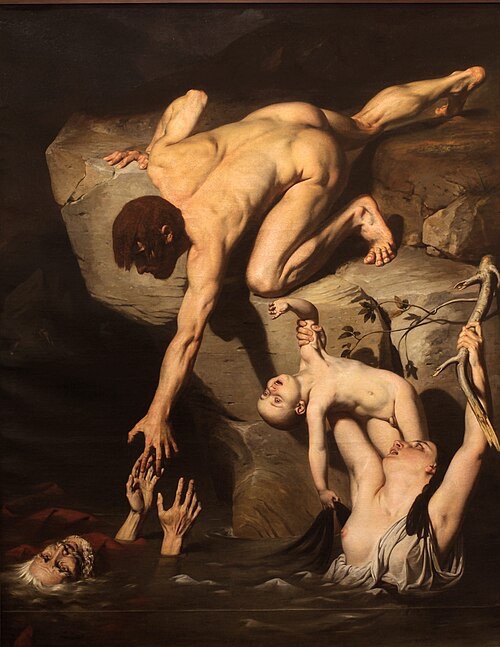
The IVE is a good example of how our biology restricts our choice of values. It refers to our preference to rescue people (or animals) we feel we “know” compared with populations of statistically defined individuals. Many, if not most, charities employ it extensively in their marketing, using faces and scenes to embellish the otherwise dry statistics they want to make us care about. We see it in military combat, with rescue operations sometimes leading to greater casualties than simply leaving the missing comrades behind. We can also see what happens without it, when bureaucrats working in organisations supposed to deliver welfare only see columns of figures, and implement policies that deliver what the figures are supposed to say, while people experience suffering or even death because of those same policies. Current research suggests our brains are pre-set to behave this way, that we process people differently according to the degree of intimacy we have, and our ability to maintain maximal intimacy and commitment is limited to a small number of people.
We can see that the IVE is both valuable—we’ll try vary hard to save our children—and limited, as we may struggle to provide similar support to others’ children, as our brains will simply lack the capacity to process those needs even though they might be vital to ours, as when we all live in the same complex civilisation.
How Religion extends the IVE

Given what we’ve just said, it’s unsurprising to find that rules governing the protection and care of those who can’t care for themselves can be found from when we formed townships too large for us to know everyone therein. The largest number of people we can keep “in mind” to any extent is around 150 people, and with cities like ancient Ur being perhaps 65,000, external support would be needed to ensure a sense of community. A tutelary god, which all would worship, is an effective way of achieving this and pretty much every ancient city had such a god, with a temple acting as a social focus. No matter how cruel such religions might seem in other ways, welfare provision was invariably part of religious observance.
Charity: Welfare as a Virtue.
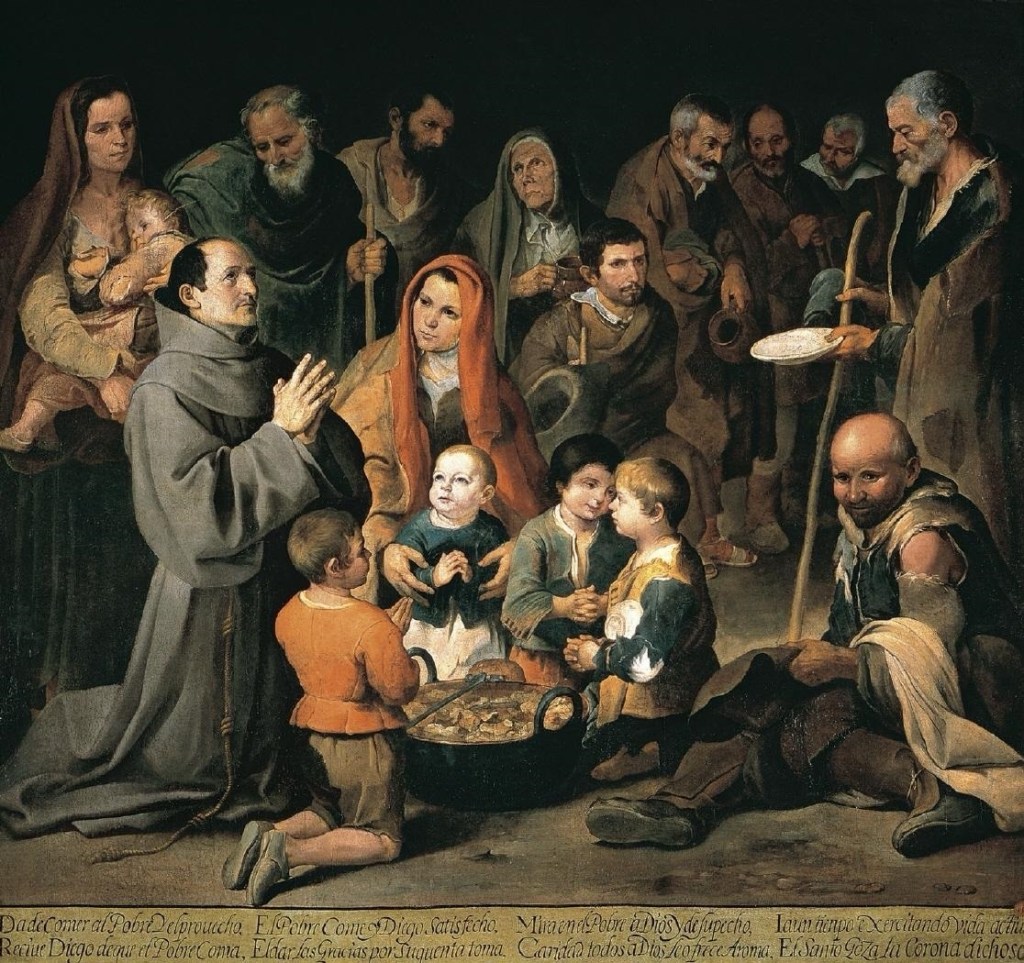
If welfare is couched as a divine command, then delivering it is obedience, and thus by definition virtuous behaviour, as in religions gods’ commands determine what is good. I shall call this kind of welfare provision charity. An astute reader may have noticed that this reading of welfare assigns all benefit to the donor, with the recipient only giving an opportunity for the donor to practice virtuous conduct. The donor gains social esteem, and social capital is at least as valuable (and is often converted to) monetary value. This satisfies the economic justification for welfare, as the social capital gained through charity may be worth much more to the donor than the donation. Charity may be chained, e.g., people raising money for some cause can gain publicity and admiration by appropriately challenging or dramatic acts.
Charity’s recipients.
The recipients receive the benefit of the donation. However, to get it they either have to claim some lack of essential agency, or someone has to claim it on their behalf. Claiming lost agency materially harms one’s place in society, as one’s freedom is inevitably sacrificed, at least to some extent. Of course, if circumstances have deprived one of agency, there may be no choice, so nothing is lost in fact. Nonetheless, both the risk and the perception remain.
Alongside admitting loss of agency comes acceptance of an obligation, to offer some reciprocal benefit to the donor. Typically, the obligation is to express gratitude and appreciation, which serves to advertise the donors’ increase in virtue. Should the charity enable the recipient to recover full agency, there is also both the expectation and the opportunity to claim virtue by using some of that recovered agency to provide some benefit to the donor. This is distinguished from the donor simply investing in the recipient by the newly possible intention originating in the latter. Consider a new hospital. A doctor with a new treatment may save the child of a wealthy family, which then donates sufficient funds to allow a building a hospital to treat the condition the son suffered from. Alternatively, an entrepreneur builds a new hospital to deliver some new treatment, expecting to profit from the investment. The outcome is the same—a new hospital for the condition—but the route and the social capital accumulated by the family and the entrepreneur may be quite different.
A possible exception is religious scholars and monks who try to live on charity, but they can be considered to perform religious actions enabled by their donors, so for them “charity” is best regarded as a fee for professional services the donor cannot or does not do for themselves. A secular equivalent be modern scholars seeking grant income to fund their scholarship. These are actually donors, as their work is presumed to benefit others. In the hospital example above, irrespective of which route for funding is achieved, the doctor will receive significant social capital, and the painting shows the donor being rewarded by the gods, as in the Stele of Ur-Nammu.
From Charity to Welfare.
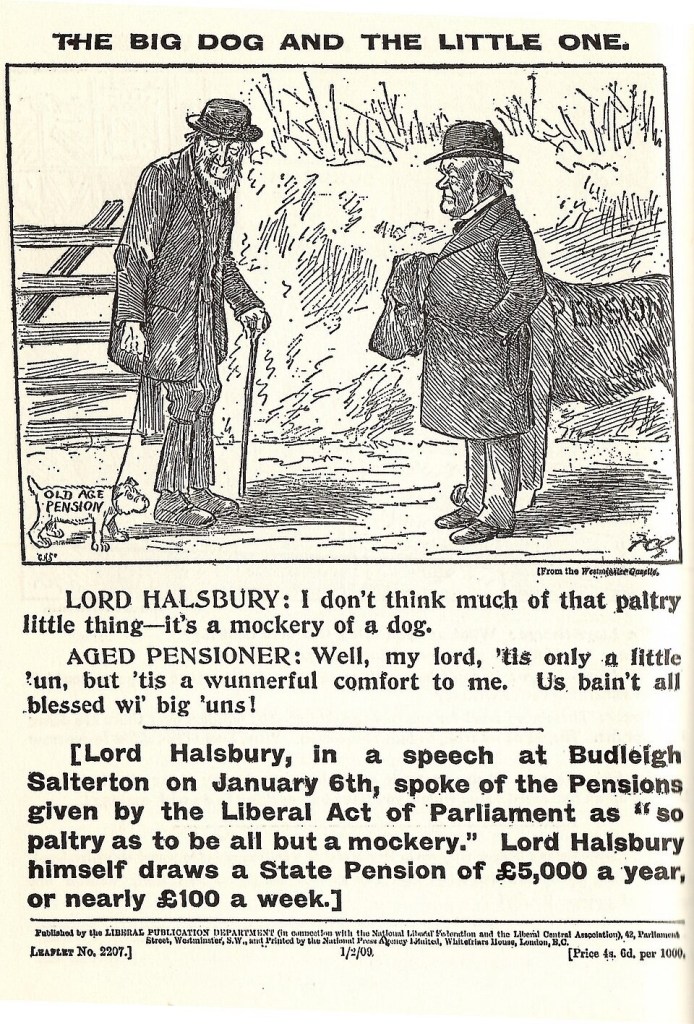
There are two other routes to welfare. The archaeologist and historian Ian Morris has coined the engaging term “stationary bandit” to describe the institution of governance we call the state. If a bandit can’t run away, then it has to supply some reciprocal good to its victims so that they don’t chase it away. Thus, the state providing succour when, perchance, an individual or household are impeded from providing for themselves is no more than sensible self-interest by the state. A surprising example of this kind of welfare is state justice. Courts and prisons are expensive. Nonetheless, they are better than the alternative, family feuds and vendettas that can last generations and which Morris estimated produce around 20% of the total death rate, while accepting a punishment provides a route back into society when the alternative might have been banishment, with the loss of resource for all that implies. In Ancient Greece, banishment was considered a worse punishment than death. Even the most aggressively authoritarian regimes, such as Nazism or Stalinism, have attempted to ensure welfare systems for their citizens. Conversely, it is common, if not universal, for institutional charities to have some judicial functions. Sometimes that is their role, as in the General Medical Council, which was set up by the profession to regulate itself, and all charities have systems to judge where there goods should be disbursed.
The second source of welfare is envy. Altruism exists but is limited at scale by our cognitive capacity for affiliation, and because we can never know others’ needs as well as our own. Envy is both universal, and such an ugly emotion that studies have been conducted to find out what it is for. It turns out that it works alongside altruism to encourage distribution of goods obtained by the most fortunate or able. Such folks know (or rapidly discover) that without such distribution they rapidly find their abilities blocked or impeded, and at worst destroyed.
The Structure and Function of Welfare.
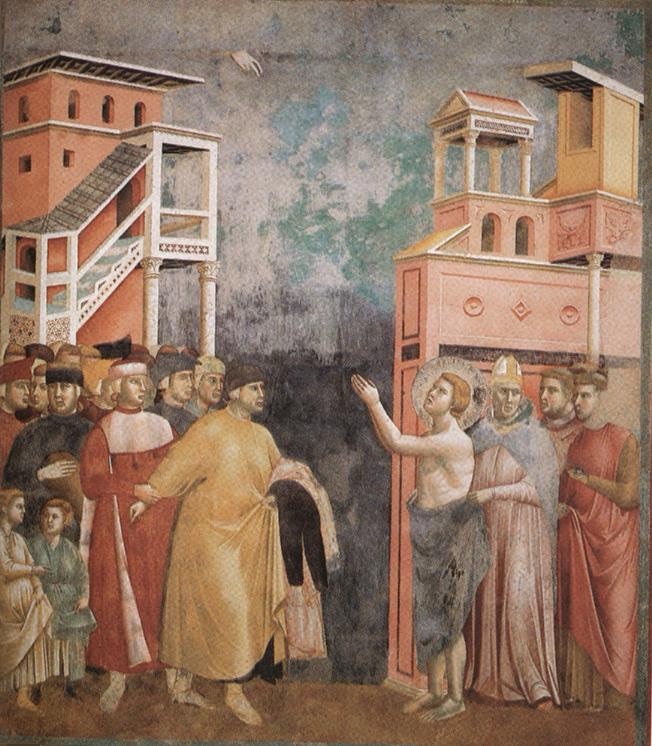
Summarising the above, we can claim that welfare is about a great deal more than just doing good. It is fundamental to maintaining societal cohesion at scale, via a complex network of reciprocal provisions (which I will now use as a general term to apply to all welfare) that encompass both material and social capital. It seems to have two main vectors, which I will call “horizontal” and “vertical”. The paradigmatic example of horizontal welfare is direct charity from a donor to a recipient. Vertical welfare, on the other hand, is some kind of institution provision to support human flourishing at some scale. It is also clear these two vectors interact, if not associate (technically we might say they describe a Hilbert space with an inner product) with much welfare being delivered synergistically by both. In small societies, such as hunter-gatherers or isolated communities, we don’t find explicit ideas of charity or welfare — people look after each other without institutionalised welfare, by doing the needful, often pretty effectively, much as still happens in households everywhere. In the painting above, we can see the horizontal axis at work. The impact of religion intensifies Francis’ desire to support his religious community, overwhelming his filial commitment to his household, which the IVE would normally predicate. His father’s outrage indicates just how shocking this was—his father was behaving like charity to the church was theft from the family.
Welfare without Religion.
We have claimed above that charity has its roots in religion, and changes such as the Dissolution of the Monasteries support this, with collapses in welfare provision occurring after such events. However, such changes do not affect folks’ continuing needs. In terms of the space we’ve just described, our “welfare vector” has shifted, with an increased vertical component now being needed to meet those needs. We can observe this, with secularised states stepping up to offer provisions such as pensions, healthcare and retirement support, that had previously been the responsibility of either families, wealthy individuals or the religious institutions they funded. As stationary bandits, states had little choice but to do so. In this context, socialist ethics can be seen as an attempt to extend altruism in the absence of religion. The Right has also attempted to do so, with concepts such as The Big Society devised to encourage charitable alternatives to state-delivered welfare. As our demon predicted, neither were as successful as hoped, as neither could explain why it was in the donors’ interests to provide charity to unknown folk. At present, honours systems are deployed to encourage charitable giving among the wealthy.
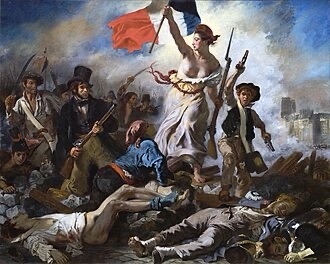
Our formulation also predicts that, without religion, altruism’s evil twin, envy, will also intensify. The French Revolution, which attempted to be purely rational in its beneficence, ended up with a Reign of Terror, and it’s clear today than envy made an enthusiastic contribution to filling the tumbrils. Today, we can see envy at work in the objections against welfare support to new immigrants, which tend to be concentrated in those who are competing for the same welfare, e.g., supported housing. Envy may also drive complaints claiming the immigration is being driven by unnamed wealthy and powerful “elites”.
Youth as a Case Study for Welfare’s Wicked Problems.
In modern Western society, possibly no group has experienced a greater change in their social status than children and teenagers. As late as the nineteenth century, the British Empire was deporting children convicted of offences to Australia. This was not because of cruelty, but because it was believed that all should be equal under the law, and Mens Rea applied as soon as children could form it, which is very young and was to be determined by judges. Today, the age of maturity is typically set at eighteen, and in developed countries a raft of provisions are made available for them during years when most might previously have been expected to start to earn a living and contribute to their households. Of course, it’s obvious that no child can flourish without access to appropriate education and training, but there is nonetheless a problem, discussed next.
Microcredit Vs Welfare.
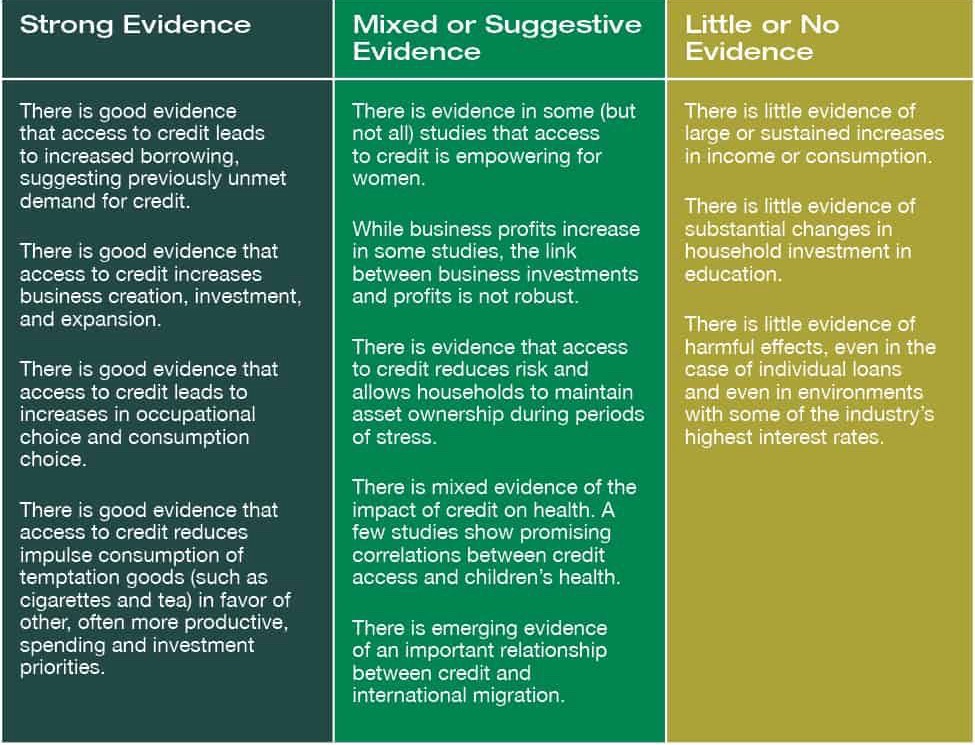
The development of microcredit is beyond the scope of this post, but it has been a successful intervention in low income countries. The sums of money are very small, the interest rates high by comparison with larger loans, but the recipients are nonetheless able to sustain their prosperity, typically running small businesses that generated sufficient income to let them support their families, though benefits are less than originally hoped. At the very least, the indebtedness they engender seems to do no harm.
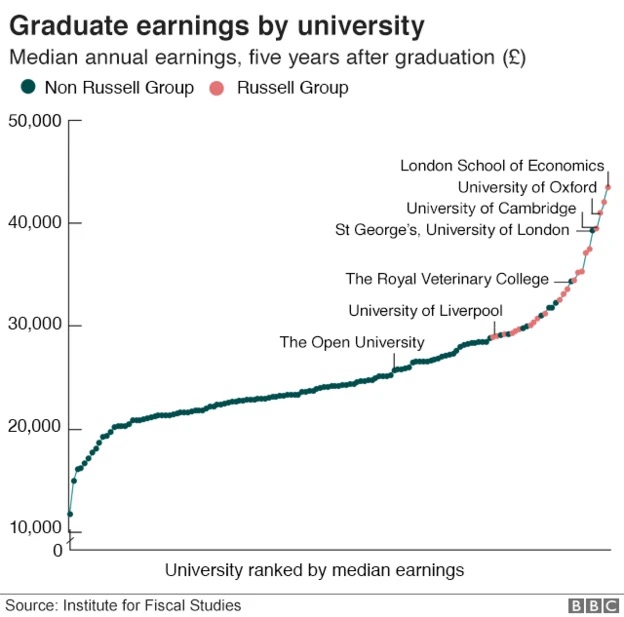
However, similarly purposed investments have worse outcomes in the developed world. Most youth welfare goes into education and training, but, even when the same subjects are studied, there is a marked difference in return on investment, depending on the university attended. It is well-known that university attendance correlates with household wealth, so welfare is delivering least to those most in need of it. Some subjects, e.g., creative arts, even predict worse outcomes for those with the degree than those without one. For those not in education, employment or training (NEET) the picture is even worse. Though benefits are of a similar order to microcredit, these benefits predict future failure, less than what microcredit achieves. For example, American child benefits are negatively associated both with entering the workplace and criminal activity—a Hobson’s choice.
Are these Observations Consistent with our Model’s predictions?
Let us recap the elements of our welfare model
- Welfare is a complex network of reciprocal provision of economic and social value, which promotes human flourishing in societies that are too big to “hold in mind.”
- Welfare can be mapped using two vectors; a “horizontal” vector exemplified by charitable giving, and a “vertical” vector of state provision.
- Welfare is deeply embedded in our psychology. Emotions such as altruism and envy both promote welfare alongside reason and self-interest, the style being governed by the limits of our affiliative capacity, which is set by our biology.
- Secularisation has led to a weakening of the horizontal vector, and shifted some of the moral valence of welfare to the state.
- Welfare recipients are expected to pay costs, either social or material (though the latter is usually deferred). However, in the horizontal vector they are imposed by custom, not the provider. Social costs are typically acceptance of some loss of agency or recognition of a future obligation (at least to display gratitude). Material costs may be either financial or labour, e.g., fundraising for the charity if recovery is achieved.
- The objective of welfare is to correct some impairment in individuals so all may benefit from the capacity gained.
A simple example of the model in action is the UK Welfare State, which is notionally paid for by National Insurance, though the amount NI raises is insufficient to meet its costs, which are largely covered by general taxation. Nonetheless, the old age pension is seen as a right, which pensioners have paid for through national insurance contributions while working pl. They have already compensated society (which is not the State) for support needed to compensate for lack of agency (here, reduced ability to support oneself).
Evidence for altruism, even at the greatest scale, can be found in “Public Service Motivation” (PSM) which shows as a willingness to accept lower salaries in the public sector. Envy, meanwhile, surfaces through the popularity of articles decrying “benefits scroungers” who take advantage of “honest hard-working people” despite the evidence for a plague of the former being largely lacking, and driving safeguards against welfare leading to unfair advantage compared to ineligible peers. Other evidence has already been cited above.
Applying the Model to Youth Welfare.
This model also lets us see how problematic welfare can be for youth.
In general, the vector structure implies that the welfare needed to support households in providing for their youth will come from the State, the precise balance depending on the nature and type of impairment being addressed. All youth must rely on state and household because they have not had the time to build the material and social capital needed to fund education and training. The principle of reciprocity implies that youth will want to meet this in the future, or risk shame, if not worse.
- Vertical vector. This is the support provided by the state. The UK proves an easy explicit metric for this, the student loan system. Currently, around 55% are expected to pay back the loans in full. Most discussion has been about the affordability of such a system for the State, but far less consideration has been given to the impact on students. Our model predicts that this will have a demoralising effect through life, particularly as it will be coupled with high marginal taxation as income ceilings are reached.
- Horizontal vector. The need for training and education in youth is universal, so households will have little support for their youth unless they have some additional distinguishing impairment, or their education relates to religion. There is also the issue of the value youth bring to a household. Given the IVE this can be best assessed by the decision to have children, rather than what happens after children arrive. There seems little doubt that, as society becomes more complex, and so expensive, the costs of rearing outweigh the economic returns more future hands can offer. Thus, WEIRD countries have fewer children overall, but in those countries achieving a high stable income increases the chances of childbirth, while job uncertainty decreases it. The connection of religion to this dimension can be seen in the way Haredi Jews and orthodox Muslims in developed countries have much larger families than average, with significant charity mitigating economic risk, and the religious commitment giving opportunities alongside obligations for reciprocation.
The Failure of Youth Welfare in WEIRD Countries Stems from a Loss of Opportunity to Contribute.
The Baal Shem Tov, the founder of Hasidic Judaism, told a story about a man who was so ignorant that all he could do during the prayers in the Synagogue was to recite the Hebrew alphabet. When the congregation mocked him, the Baal Shem Tov admonished them by saying “Ah, but you cannot see the angels of the almighty arranging those letters into the most beautiful prayers before him.”
From our perspective, the story is not about human value but human contribution. Children start copying their parents’ actions almost as soon as they are physically able to do so — every parent has experience of their toddler “helping” in home chores spontaneously, and failure to do this can be a sign of neurodevelopmental disorders. The value of this is obvious, and in LAMICs children are making meaningful contributions to their households at much younger ages than typical children from WEIRD countries. Compare that with the UK, where nearly half of current youth will be unable to pay back the cost of their education and training, and outside religious communities households have to budget for children as cost, not benefit.
The Horizontal Vector’s Neglected Role in Opportunity Creation.
From the perspective of a stationary bandit, there is no value in activity that cannot be taxed. I will call those activities that can be taxed (at least in theory) “work.” Work is what youth has to offer the State in return for the benefits they receive from it. It’s therefore not surprising to find much of the debate about education closely related to employment; the acronym NEET makes the relationship clear. The world of work is fiercely competitive, and the Socialist project to build a world of work without losers has been a dismal failure. Nonetheless, 45% of UK youth being unable to pay back the state’s investment in their higher education, with no measurable improvement in productivity for decades, suggests the model is failing. Across the OECD adults receiving higher education rose from 27% to 48%, while growth slowed to 0.3%. If education were a currency we would say we have inflation, as the increase adds less and less to GDP.
While secularisation has brought many benefits, it has failed to find an effective substitute for the horizontal vector of welfare, so providing opportunity for youth has also fallen back on households. From what we’ve said, it’s clear that households cannot do this alone. Most strikingly, households in WEIRD countries have collectively reduced the production of new children to below replacement levels. It’s easy to understand this when we ask what children are expected to provide for their families in these societies. In terms of agency, the only societal expectation is to provide unconditional love and engender happiness. This puts them at the same level as lapdogs. Families, of course, do assign chores but the problem is in the name—they are things children can do instead of parents, not valuable tasks they can do with their closest. The same teenager might moan about tidying their room but enthusiastically pick up beach litter with their friends.
In religious groups an extra layer of horizontal welfare arises from communal & charitable activities in their communities. Irrespective of ability, there will be things of genuine value children of all ages and abilities will be able to help in; preparing for festivals, taking part in charitable acts, enacting roles in religious services. Meanwhile, even communal singing has become limited to elite practitioners in WEIRD countries, with most having only a consumer role.
Can the Horizontal Welfare Vector be Revived for Youth?
Our model has generated a plausible account of why welfare in WEIRD countries produces such disappointing results for youth. Working out what we might do would need a whole other blog post. However, there are some things we can say: –
- The problem is not a unidimensional lack of resources, which can be fixed by more money alone. Doing the same thing harder will just give more of the same.
- Economics splits the world into “micro” where the unit is the individual, and “macro”, where the unit is the household. Our model suggests that policies need to be differentiated for both micro and macro targets if they are to have an effect.
- Though we all have a rosy view of our pasts, the idea of restoring theocracy, or even mandating religious belief, has far too many adverse effects to consider. We have spotted a baby in the religious bathwater, nothing more.
- Economists like Lord Layard and David Blanchflower have argued for some time that we can deploy metrics of value other than money. Blanchflower’s historic observation of a u-shaped happiness curve by age is also consistent with our observations, and is still consistent despite the loss of the young side of the U. We need a project to deliver such a metric, that can be embedded in society beyond religious observance. That way, we can start valuing contributions irrespective of their potential to improve GDP.
- No-one argues about the value of entrepreneurship as an important motor for growth. We currently presume that it arises, somehow, from improved education and training. However, if entrepreneurship is a skill then it will need training too, which means serial failure while the skill is acquired. Everything about the vertical welfare dimension is failure-averse. Wealthy households have enough reserve to enable their youth to practice and risk failure, but there are few of them. The horizontal vector traditionally only requires mental and physical participation. So people trying to innovate can afford to risk failure, even repeatedly, if they are reciprocating charity. This opens the potential for people who are not backed by household wealth to learn to innovate, and there is a long tradition of religious entrepreneurship that includes those whose chances of success seem doubtful, e.g., Emmaus.
- Finally, the vector structure of welfare offers the potential to model different solutions before attempting to implement them. Much welfare reform in the past has effectively made guinea pigs of some of our most vulnerable and needy. The ability to model a coherent theoretical structure greatly improves the chances of detecting benefits and spotting unwanted unintended consequences, which have bedevilled past attempts at reform.

